Giant Seaweed Belt in the Atlantic: Ecological Anomaly and Its Consequences
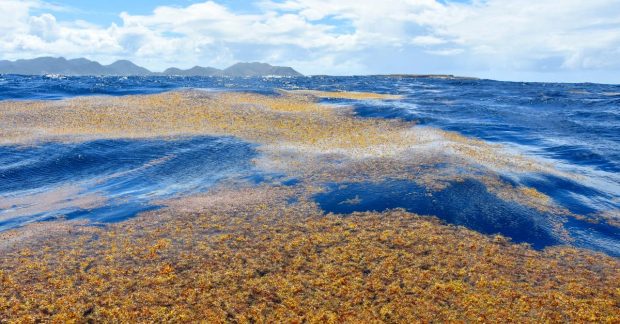
A massive belt of sargassum seaweed is rapidly expanding in the Atlantic Ocean, reaching a record length of 8,850 kilometers.
 💡Tech
Photo: UNIAN
Key points
- Record growth of sargassum seaweed
- Impact of agricultural runoff on ecosystems
- Threat of greenhouse gas emissions
Scientists are documenting an unprecedented growth in the area of pelagic sargassum in the Atlantic Ocean. By 2025, this seaweed belt, known as GASB, has stretched to 8,850 kilometers, posing significant challenges to marine ecosystems and coastal regions.
Causes and Expansion Mechanisms
Researchers from the Harbor Branch Oceanographic Institute note that the key factor in the rapid proliferation of seaweed is the excess of nutrients, particularly nitrogen and phosphorus. These enter the ocean through both natural processes and human activity, including agricultural runoff and wastewater discharge.
«The large-scale study covers four decades of satellite data, field observations, and chemical analyses,» experts note.
Ocean currents, such as the Gulf Stream, transport these masses to the coast, where their decomposition leads to the release of toxic hydrogen sulfide and methane. This not only harms local fauna but also creates economic problems for regions dependent on tourism and fishing.
Source UNIAN — unian.ua/ecology/sargasovi-vodorosti-v-atlantici-chomu-gigantskiy-p… ↗
Read next
 🚨Events
Court Sentences Driver to Seven Years in Prison for Fatal Crash in Khmelnytskyi Region
A local court in Khmelnytskyi region has sentenced a driver to seven years in prison for causing a major traffic accident that resulted in two deaths and five injuries. T…
 🛡️Security
Officer Extradited: Ukraine Returns Military Figure Suspected of Abuse
Law enforcement has returned senior lieutenant Vladyslav Pastukh to Ukraine following his extradition from Moldova over alleged abuse of subordinates.
 👥Society
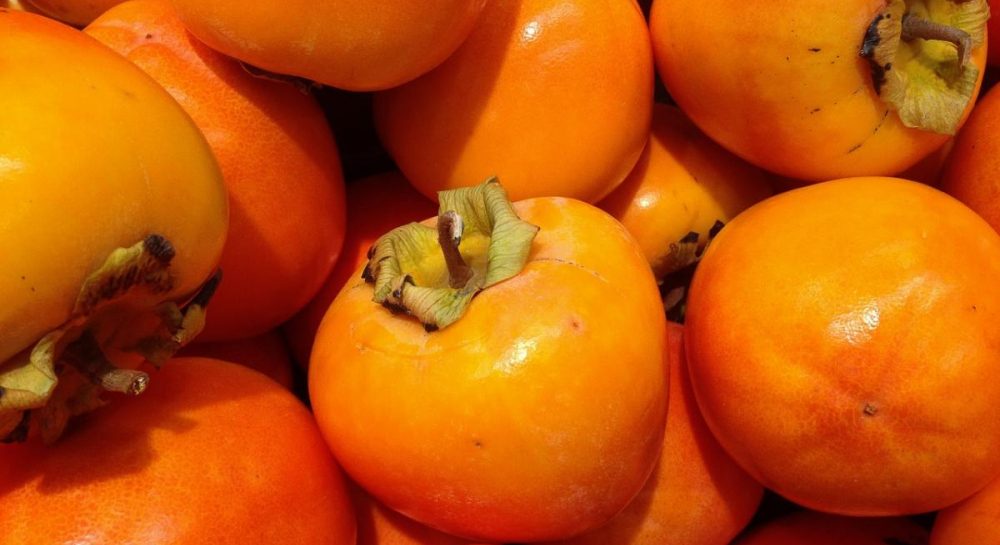
Persimmon season in Oleksandriya: health benefits of the autumn fruit
With the arrival of autumn, persimmons have appeared in the markets of Oleksandriya. Nutritionists recommend consuming this fruit to boost immunity and energy.
 👥Society
In Poltava region, juvenile police locate and return two missing teenagers within 90 minutes
Prompt search operations in the Poltava region successfully tracked down two 14-year-old students who had left a specialized educational institution.
 🚨Events
Man arrested in Uzhhorod after injuring a passerby during a drunken altercation
A 19-year-old Uzhhorod resident has been detained after throwing a piece of cobblestone during a fight that struck an innocent woman.
 🛡️Security
Documentary about Ukrainian National Guardsmen wins Emmy Award
The film '24 Hours in the Kill Zone' documenting the work of NGU soldiers has received a prestigious international award in the News category.