Awakening ancient bacteria: scientists warn of permafrost thaw consequences
Researchers from the University of Colorado found that 40,000-year-old bacteria reactivate after thawing, posing risks to the global climate.
 🧠AI Analysis
Photo: UNIAN
Key points
- 40,000-year-old bacteria reactivated after thawing
- Biofilm formation indicates rapid microbial adaptation
- Permafrost contains double the carbon currently in the atmosphere
- Decomposition process releases significant greenhouse gases
A research team from the University of Colorado Boulder has conducted an experiment highlighting the hidden dangers of global warming in arctic regions. By studying permafrost samples from Alaska dating back 40,000 years, scientists have simulated the effects of prolonged summer heat.
Microbial activity and carbon release
During the experiment, soil samples were kept at temperatures between 3 and 12 degrees Celsius. While initial results showed slow development, six months later, researchers observed the formation of massive bacterial colonies known as biofilms, which became visible to the naked eye.
The primary concern is the release of vast amounts of organic carbon trapped in permafrost. Estimates suggest that these frozen layers contain approximately 1,500 gigatons of carbon. As microorganisms decompose this organic matter, they release carbon dioxide and methane, creating a feedback loop that further accelerates global warming.
Source UNIAN — unian.ua/science/vcheni-rozbudili-bakteriji-shcho-spali-u-vichniy-m… ↗
Read next
 🚨Events
Court Sentences Driver to Seven Years in Prison for Fatal Crash in Khmelnytskyi Region
A local court in Khmelnytskyi region has sentenced a driver to seven years in prison for causing a major traffic accident that resulted in two deaths and five injuries. T…
 🛡️Security
Officer Extradited: Ukraine Returns Military Figure Suspected of Abuse
Law enforcement has returned senior lieutenant Vladyslav Pastukh to Ukraine following his extradition from Moldova over alleged abuse of subordinates.
 👥Society
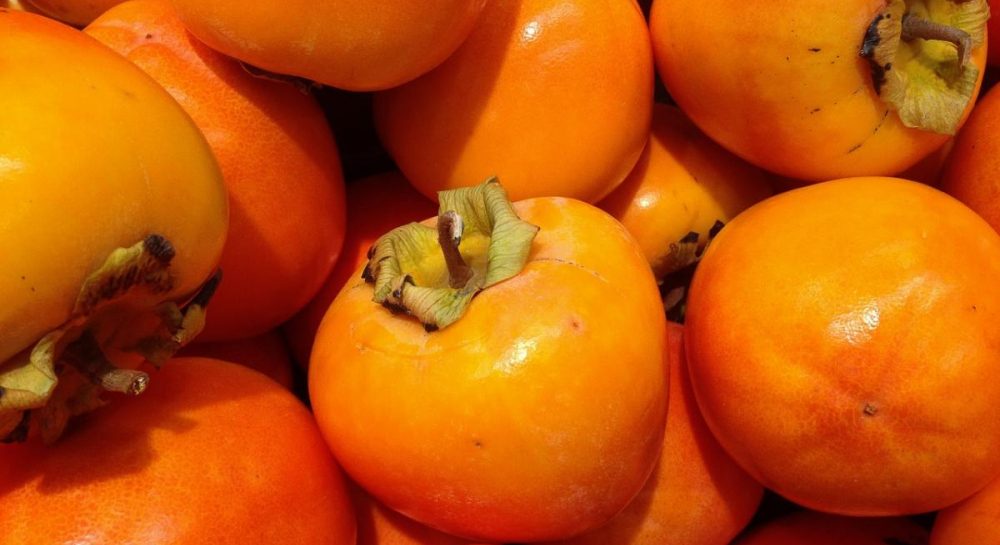
Persimmon season in Oleksandriya: health benefits of the autumn fruit
With the arrival of autumn, persimmons have appeared in the markets of Oleksandriya. Nutritionists recommend consuming this fruit to boost immunity and energy.
 👥Society
In Poltava region, juvenile police locate and return two missing teenagers within 90 minutes
Prompt search operations in the Poltava region successfully tracked down two 14-year-old students who had left a specialized educational institution.
 🚨Events
Man arrested in Uzhhorod after injuring a passerby during a drunken altercation
A 19-year-old Uzhhorod resident has been detained after throwing a piece of cobblestone during a fight that struck an innocent woman.
 🛡️Security
Documentary about Ukrainian National Guardsmen wins Emmy Award
The film '24 Hours in the Kill Zone' documenting the work of NGU soldiers has received a prestigious international award in the News category.